What is the difference between OEM and ODM for tactical gear?
- Share
- Issue Time
- Nov 4,2026
OEM means the product is built to your specification: your pattern, your MOLLE layout, your hardware set, your label. ODM means you start from a platform the factory already builds — such as the APC-01 plate carrier or the Falcon 35L backpack — and change colour, layout and branding. Both carry your brand; the difference is who owns the pattern.
The three sourcing modes side by side
| Mode | Pattern | Tooling | Sample time | Suits |
|---|---|---|---|---|
| Stock | Factory standard | None needed | Existing production | Testing a market before committing |
| ODM | Factory block, your colours and branding | Existing | 48 hours on existing tooling | First orders, fast launches |
| OEM | Yours, built from your tech pack | New patterns and graded blocks | 7 to 10 working days | Established programmes, exclusive designs |
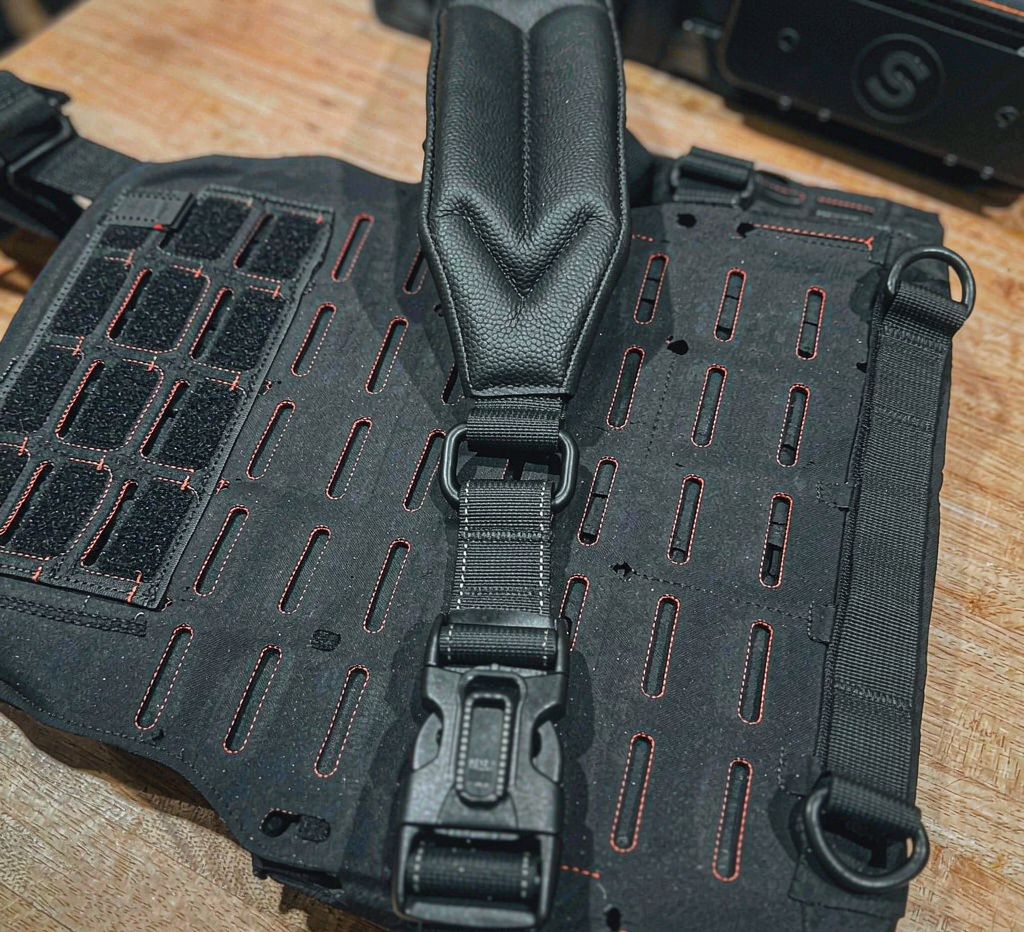
Where most first orders land
- Start from the closest existing block, modified with your rows, hardware and logo.
- Approve fit and quality on that first run.
- Move to a fully custom pattern from the second season, when the commercial risk is gone.
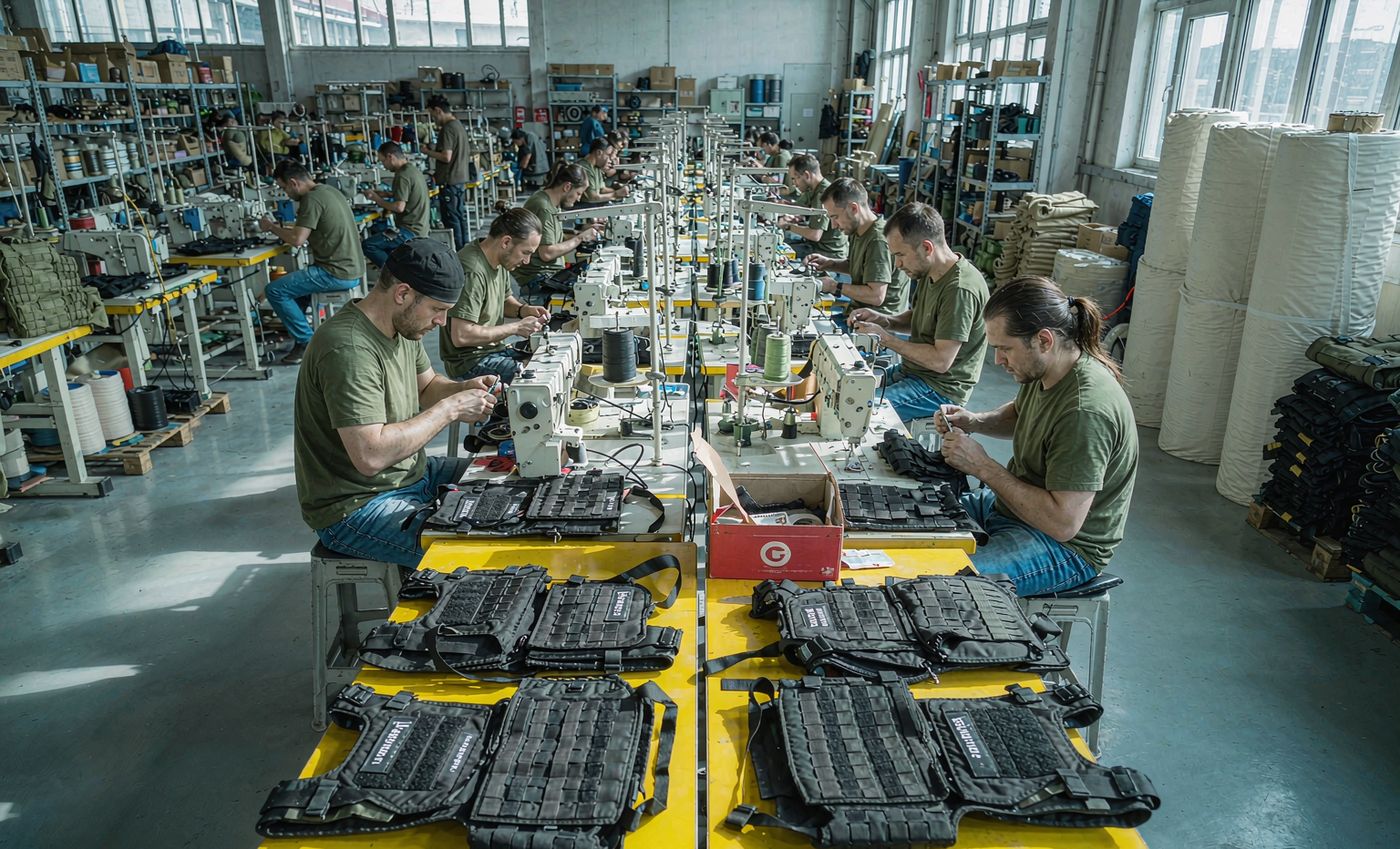
Note: ODM changes to an existing block are pattern edits, not new tooling, so they rarely change the lead time. Full OEM patterns add development time before sampling.